
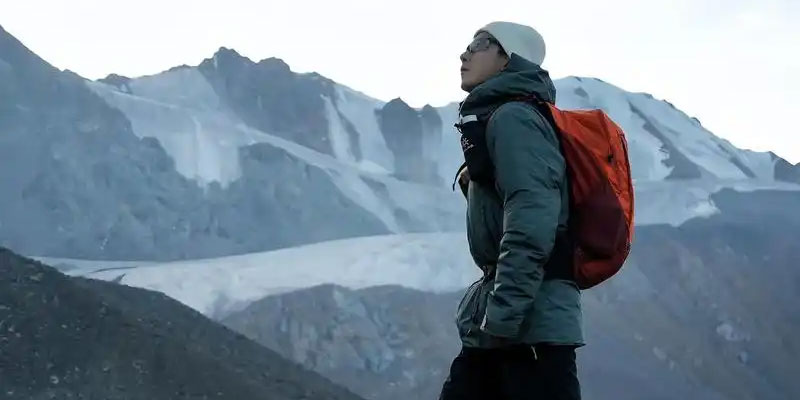
After every hill hike, how to dress for hiking for men? Sweat clinging to your back, wind sending shivers down your spine? The secret to choosing the right attire lies entirely in the details. Today, we’ll break down the hidden tricks of hiking clothing – from breathability and warmth to slip resistance – and explain them thoroughly.
First, the most easily overlooked base layer. Many assume a plain cotton T-shirt suffices, yet cotton clings to the skin when damp, allowing mountain winds to draw away even more body heat. This is where quick-dry undergarments come into their own, acting like a “skin respirator” to rapidly wick away perspiration and keep you dry. If budget permits, base layers containing wool offer superior comfort—wool fibres possess a natural crimped structure that retains warmth even when damp.
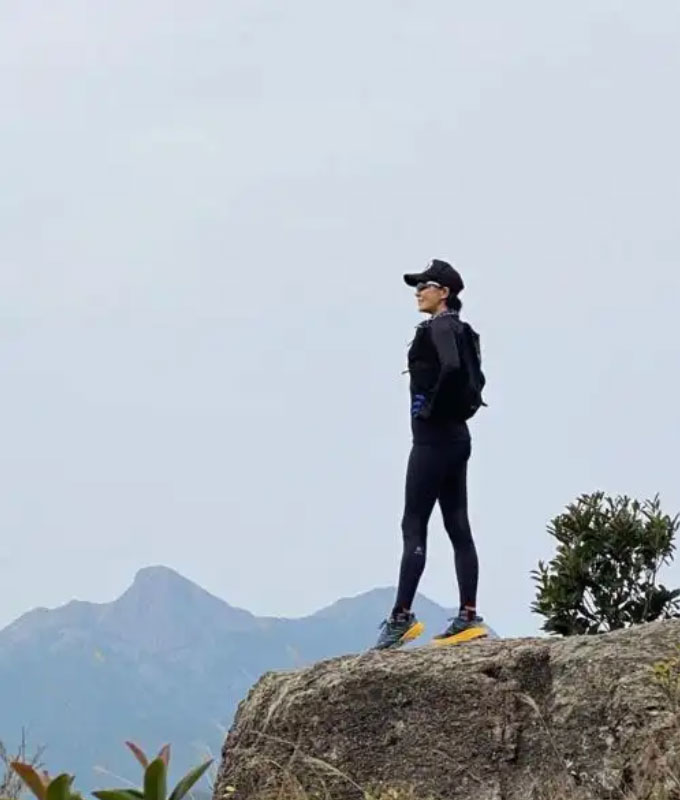
The mid-layer choice often determines your “flexibility” in the mountains. For spring and autumn, pack a fleece or lightweight down jacket—lightweight yet warm. In winter, upgrade to a thick down jacket or a windproof insulating layer. Remember this practical tip: shed layers when overheated, add them when chilled, and never let clothing become saturated with perspiration. One mountaineering blogger recounted surviving a sudden 10°C temperature drop on a 3,000-metre ridge by relying solely on a packable down gilet.
A windproof jacket is the true “life-saving essential”. Don’t be fooled by clear skies – mountain microclimates can shift in an instant. A hooded windbreaker shields you from sudden rain or snowfall while trapping body heat. Here’s a little-known fact: properly waterproofed jackets feature taped seams where water rolls off like dewdrops on a lotus leaf. If budget’s tight, at least pack a disposable plastic raincoat – it’ll prevent wind and snow from stealing your body heat when you need it most.
When it comes to lower-body wear, jeans are hardly an ideal choice. The tight fabric restricts stride length, and when wet, they cling to your legs like icy armour. Stretch hiking trousers with articulated knee panels are recommended. Seasoned hikers pack a lightweight softshell pair in their rucksack, slipping them over their trousers when temperatures drop – far more versatile than wearing two layers.
Footwear demands particular attention. Professional hiking boots feature grippy treads that bite into slippery rock, while their high-cut design protects ankles from sprains. When trying on boots, wear thick socks. With your toes pressed firmly against the front, there should be enough space at the heel to fit a finger. This ensures your toes have sufficient cushioning during descents, preventing painful pressure points. Encountering stream crossings? Opt for boots with a waterproof coating on the upper to avoid soggy socks squelching with every step.
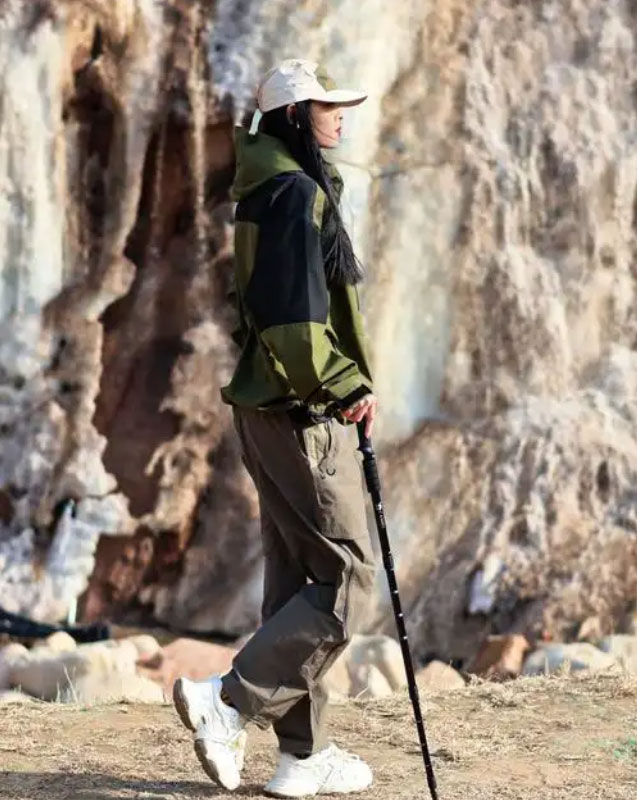
Accessories often prove small items with big impact. A multifunctional headscarf doubles as a neck warmer, face mask, or even makeshift bandage; a wide-brimmed hat shields from sun and branches; waterproof gloves must balance warmth with dexterity—preferably with touchscreen-compatible fingertips, since no one fancies repeatedly removing gloves to check navigation. A real-life example: during the 2024 Qinling rescue operation, it was the reflective strips on a stranded hiker’s gloves that allowed the search team to pinpoint their location through thick fog.
Seasonal shifts demand adjusted clothing strategies. In summer, prioritise UV protection with sun-rated base layers; winter calls for the ‘three-layer system’—a moisture-wicking inner layer, insulating middle layer, and windproof outer layer—layering like Russian nesting dolls for comprehensive defence. Remember the golden rule of the mountains: it’s better to carry an extra layer than to be underdressed. Last year, a mountaineering group on Changbai Mountain survived a blizzard until rescue arrived, thanks to the extra fleece jacket each member had brought.
Ultimately, the science of mountain clothing is the art of adapting to nature. It requires the layered defence of an onion and the chameleon-like flexibility to adjust on the fly. Before your next expedition, cross-reference this checklist: Is your base layer quick-drying? Is your mid-layer flexible? Is your outer layer windproof? Are your accessories comprehensive? When you master these details, you’ll discover that the confidence to conquer the wilderness lies in the scientific design woven into every stitch.
Related posts